Smart Home Basics & Platforms
Before you buy a single device, it helps to understand the plumbing. This section explains Matter and Thread in plain English, walks through smart lighting that actually improves daily routines, and compares the major platforms — Apple Home, Google Home, Alexa, SmartThings and Home Assistant — so you pick the ecosystem that fits how much control and tinkering you want.
Platform choice drives compatibility, privacy and automation depth for years, so it's worth getting right early. Start here, then move on to the buying guides with a clear plan instead of a drawer of mismatched gadgets.

A Practical Guide to Smart Home Scenes vs Automations
Scenes and automations sound like the same thing, and mixing them up is why so many smart homes feel either lifeless or chaotic. Here is the clear difference, when to use each, and how to combine them into a home that just works.
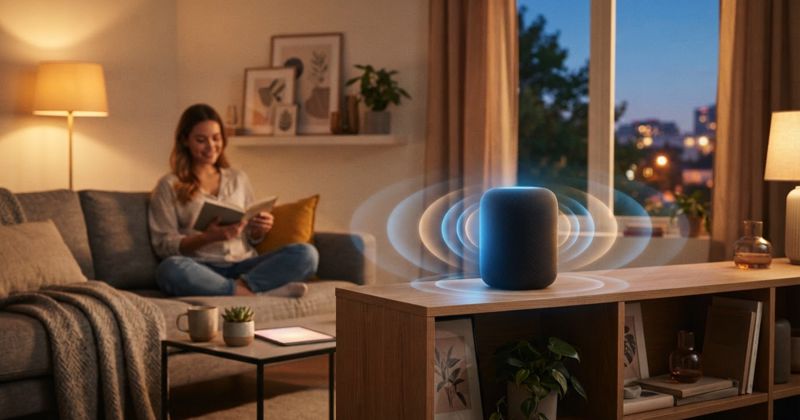
When to Use Voice Control and When to Skip It
Voice assistants feel like the face of the smart home, but they are the right tool for a surprisingly narrow set of tasks. Here is when talking to your house genuinely helps and when a sensor, a switch or a schedule does the job better.
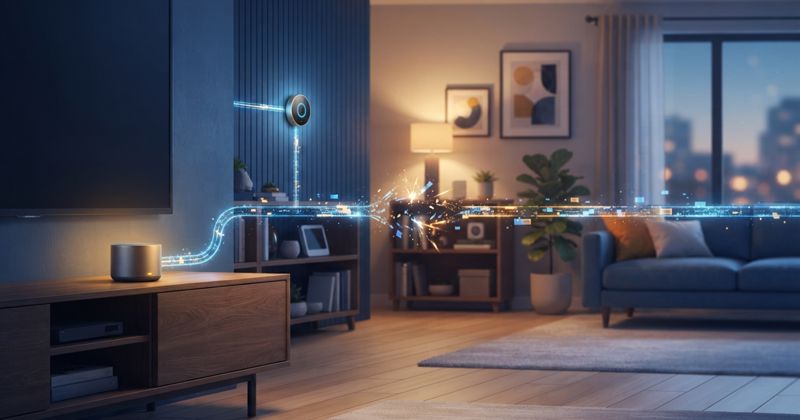
How to Troubleshoot Matter Pairing Problems That Keep Coming Back
A Matter device that pairs, works for a while, then disappears again is one of the most frustrating smart home problems. This guide explains why recurring pairing failures happen and gives you a repeatable process to find the real cause instead of re-adding the same device forever.

Best Uses for Motion, Presence, and Contact Sensors by Room
Motion, presence, and contact sensors are cheap, but placing them well is what makes a home feel genuinely responsive. This room-by-room guide shows where each sensor type shines, which mistakes to avoid, and how to combine them so lights and alerts behave the way you actually want.

How to Reduce Smart Home Maintenance: Firmware, Batteries, and Device Audits
A smart home should quietly work in the background, not demand a monthly repair session. This guide shows how to cut ongoing maintenance with a simple firmware routine, a battery strategy that avoids surprise failures, and a regular device audit that removes the gadgets quietly costing you time.
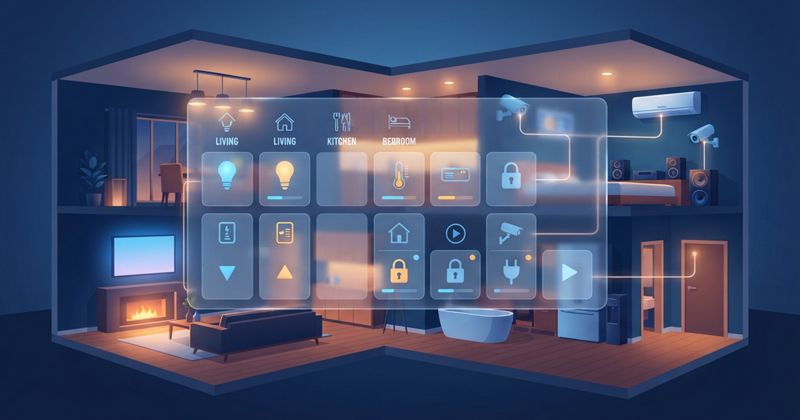
How to Organize Rooms, Device Names, and Automations in a Growing Smart Home
One smart bulb is easy. Forty devices across six rooms is where things get messy. A naming and organization system keeps voice control, automations, and your family's patience intact as the home grows.
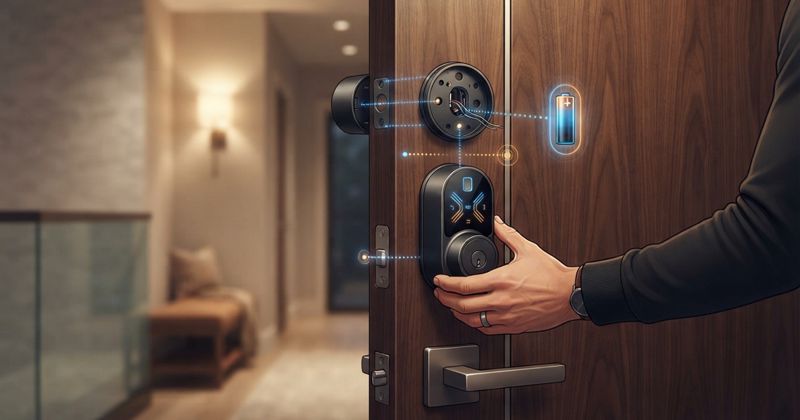
Smart Lock Installation Pitfalls: Door Fit, Batteries, and Guest Access
A smart lock only feels smart when it installs cleanly, opens reliably, and lets the right people in. Here are the door-fit, battery, and access mistakes that trip up most first-time installs — and how to avoid them.

How to Build a Reliable Smart Home Backup Plan for Internet or Power Outages
A smart home is only as dependable as the internet and power behind it. This is a practical plan for keeping the essentials working — locks, lights, heat and security — when the connection drops or the power goes out.
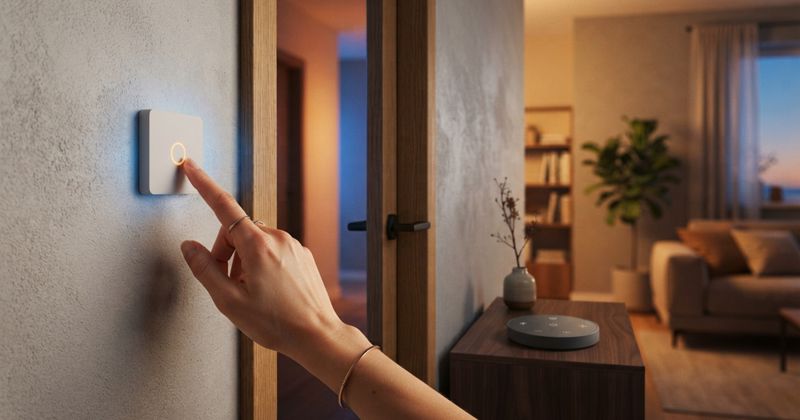
Smart Button and Remote Ideas That Actually Get Used Every Day
Voice control and apps get all the attention, but a physical button is often the fastest, most reliable way to run a smart home. Here are button and remote ideas that earn their place instead of gathering dust.

Smart Lighting Routines for Sleep, Focus, and Waking Up
Smart bulbs are more useful as a schedule than as a party trick. Here is how to build lighting routines that help you wind down at night, stay focused during the day, and wake up more gently in the morning.
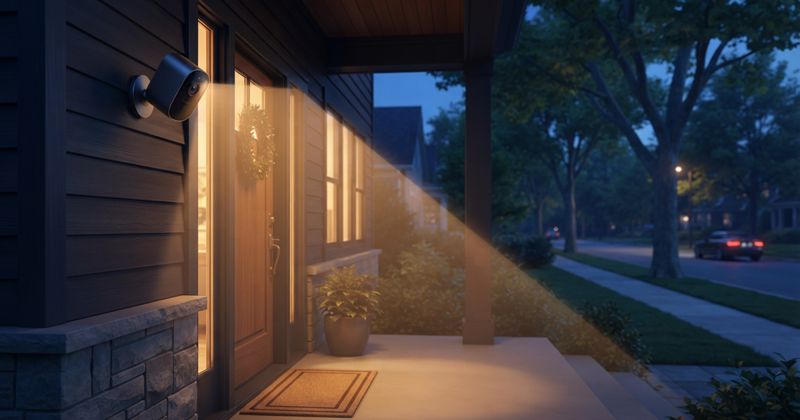
How to Stop Smart Cameras From Sending Too Many False Alerts
A camera that cries wolf a hundred times a day is a camera you'll stop reading. Most false alerts come from a few fixable causes — placement, motion zones, and sensitivity. Here's how to quiet the noise without missing what matters.

Zigbee vs Z-Wave vs Thread vs Wi-Fi: Which Smart-Home Protocol Fits Your House?
Behind every smart device is a radio, and the radio it uses shapes range, reliability, and how many gadgets you can run. This plain-English comparison of Zigbee, Z-Wave, Thread, and Wi-Fi helps you pick the right mix for your home.
Smart Home Troubleshooting Checklist: Fix Devices That Keep Disconnecting
Devices that keep dropping offline are almost always a network problem, not a broken gadget. This checklist walks the fixes in order, from quick wins to Wi-Fi, 2.4 GHz, and Thread mesh issues.

Smart Sensors Explained: Motion, Contact, Presence, Water Leak, Temperature, and Air Quality
Sensors are the quiet engine of a smart home, turning passive devices into reactive ones. Learn what each sensor type does, the motion-vs-presence distinction, and which to buy first.

What Is Home Assistant and Who Should Use It?
Home Assistant is the open-source, local-first way to run a smart home across every protocol. Here is what it does well, the learning curve, and who should use it or avoid it.

What Is a Thread Border Router?
Some Matter devices won't connect without a Thread border router. This explainer covers what it is, why Thread devices need one, and how to tell whether you already own it.

How to Create Useful Automations Instead of Gimmicks
The best smart-home automations disappear into the background. Learn practical routines for lights, locks, sensors, and notifications that save effort instead of demanding attention.

How to Set Up Matter Devices Without Confusion
Matter setup trips people up over ecosystems, Thread border routers, and QR codes. This guide walks a clean commissioning process and fixes the pairing problems that actually come up.

UWB and Aliro Smart Locks: Is Hands-Free Unlocking the Next Big Home Upgrade?
Ultra-wideband and the new Aliro standard promise hands-free, cross-brand smart locks. Here is how UWB unlocking works, what Matter adds, and the security tradeoffs to weigh.

Home Assistant vs Alexa vs Apple vs Google: Which to Choose
Your platform choice decides which devices work, how private your data stays, and how much you'll tinker. Here's how the four big ecosystems really compare.
Smart Lighting Ideas That Make a Home Feel Better, Not Flashier
The best smart lighting is not about color party tricks. It is scenes and routines that improve waking up, cooking, relaxing and leaving home.

Matter and Thread in 2026: What Smart Home Buyers Need to Know
Matter promises that smart devices finally speak one language, but a label on the box doesn't guarantee an effortless setup. Here's what actually matters.