Best Uses for Motion, Presence, and Contact Sensors by Room
Motion, presence, and contact sensors are cheap, but placing them well is what makes a home feel genuinely responsive. This room-by-room guide shows where each sensor type shines, which mistakes to avoid, and how to combine them so lights and alerts behave the way you actually want.
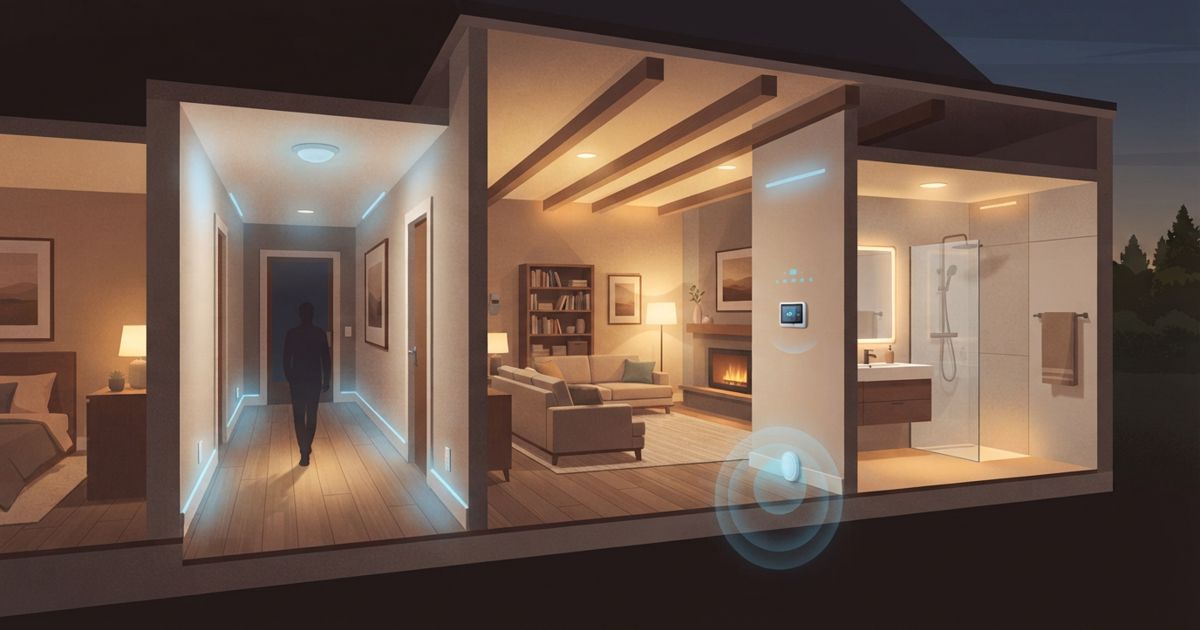
Table of contents
Sensors are the cheapest upgrade in most smart homes and the one that does the most to make a house feel alive. A hallway that lights itself, a bathroom fan that runs only when it should, a door that tells you it was left open — these small touches come almost entirely from a few well-placed sensors.
But sensors reward placement, not quantity. Put the right type in the right spot and automations feel like magic. Put the wrong type in the wrong spot and you get lights that switch off while you are still in the room, or alerts that cry wolf until you ignore them. This guide goes room by room, matching each sensor type to the jobs it is genuinely good at.
The three sensor types, in one paragraph
Before the room tour, a quick refresher. Motion sensors detect movement and are great at catching someone entering a space, but they go quiet when you sit still. Presence sensors detect whether a person is in a space at all, including someone sitting motionless, which makes them better for rooms where you linger. Contact sensors report whether a door, window, or drawer is open or closed. Each has a natural home. If you want the deeper explainer on how these work and how they differ from leak, temperature, and air-quality sensors, start with our smart sensors guide.
Entryways and front doors
The entry is where sensors earn their keep first.
- Contact sensor on the front door. This is the single most useful sensor in most homes. It can trigger a welcome light, confirm the door actually closed behind you, and warn you if it is left ajar. It also anchors security automations.
- Motion sensor for entry lighting. A motion sensor aimed at the doorway turns on lights the moment you step in, so you never fumble for a switch with your hands full.
- Avoid over-alerting. Reserve door-open notifications for times they matter, such as when you are away or asleep, so the alert stays meaningful.
Contact sensors on the front door also feed naturally into the security setup covered in our smart home security checklist.
Hallways and stairs
Hallways are the textbook motion-sensor win, because nobody stands still in them.
- Motion sensors for pass-through lighting. Since people only move through a hallway, motion detection is a perfect fit. Lights come on as you enter and fade after you have passed.
- Dim, don't blast, at night. A low-brightness night setting for late-night trips avoids waking you fully while still lighting the way.
- Mind the timeout. Set the "off" delay long enough that lights do not drop while you are still walking, but short enough that they do not linger for minutes.
Living rooms and home offices
This is where motion sensors fail and presence sensors shine.
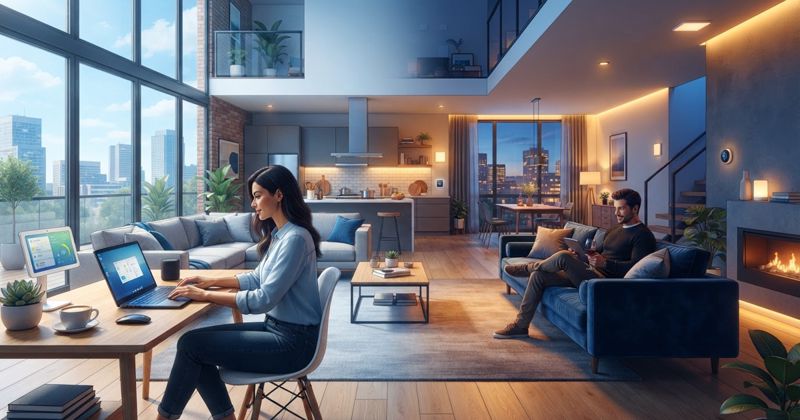
- Use presence, not motion, where you sit still. On a sofa reading, or at a desk typing quietly, a motion sensor thinks the room is empty and kills the lights. A presence sensor knows you are there, so the lights stay on until you actually leave.
- Combine presence with motion for the best of both. Motion can trigger lights instantly on entry, while presence keeps them on while you are stationary. Together they feel seamless.
- Tie presence to comfort automations. Presence detection can hold your preferred lighting or nudge other comfort settings only while the room is occupied, which is a far better result than the gimmicky automations we warn about in useful automations vs gimmicks.
Kitchens
Kitchens mix movement and lingering, so they benefit from a blend.
- Motion for task lighting. Under-cabinet or counter lighting triggered by motion is genuinely useful when your hands are full.
- Contact sensors on cabinets or the pantry, if you want them. These are niche but can be handy for reminders or for keeping certain cabinets monitored in homes with small children.
- Watch for false triggers. Heat and steam can occasionally confuse some sensors, so place them away from the stovetop's direct plume.
Bathrooms
Bathrooms are the classic case for presence over motion.
- Presence sensors prevent the lights-off-in-the-shower problem. Standing still in a shower defeats a motion sensor. Presence detection keeps lights and the exhaust fan running until the room is truly empty.
- Automate the fan, not just the light. Running the exhaust fan on occupancy, with a sensible run-on time after you leave, helps manage humidity without you thinking about it.
- Consider a leak sensor nearby. While not a motion or presence device, a leak sensor under the sink pairs naturally with a bathroom setup and can save you from expensive water damage.
Bedrooms
Bedrooms need gentle, unobtrusive sensing.
- Presence for staying in the room. As with living rooms, presence detection avoids lights dropping while you rest.
- Motion for a soft night path. A low-level motion-triggered light near the floor helps late-night trips without a jarring bright light.
- Contact sensor on a window, optionally. For security or a simple "is the window open?" check, a contact sensor works quietly in the background.
- Keep automations calm. Bedrooms are the last place you want an aggressive automation. Favor low brightness, slow fades, and generous timeouts.
Garages, basements, and utility spaces
These spaces are visited rarely, which makes sensors especially valuable.
- Contact sensor on the garage entry door. Knowing whether the door between the garage and house is open, or whether the garage itself was left open, is genuinely useful.
- Motion for lighting in spaces you enter with full hands. Basements and utility rooms benefit from hands-free lighting.
- Leak and environmental sensors belong here too. Utility areas often house water heaters and appliances where an early leak warning matters most.
A quick placement cheat sheet
| Room | Best primary sensor | Why |
|---|---|---|
| Front door / entry | Contact + motion | Security anchor plus hands-free entry lighting |
| Hallway / stairs | Motion | People only pass through, never linger |
| Living room / office | Presence (+ motion) | You sit still; motion alone kills the lights |
| Kitchen | Motion (+ optional contact) | Task lighting when hands are full |
| Bathroom | Presence | Solves the lights-off-in-the-shower problem |
| Bedroom | Presence + soft motion | Calm lighting that respects rest |
| Garage / utility | Contact + motion | Rarely visited spaces benefit most from awareness |
The habits that make sensors feel invisible
Good sensor placement is less about buying more and more about matching type to behavior. Use motion where people move, presence where people linger, and contact where things open and close. Tune your timeouts so lights never drop mid-task, and reserve alerts for moments that genuinely matter so you keep trusting them.
Get those basics right and your home stops feeling like a collection of gadgets. It starts anticipating you — lighting the path, holding the room, and quietly watching the doors — without you ever touching a switch.