Best Smart Home Devices for Beginners in 2026
The best first smart-home buys are the cheap, boring ones you stop noticing. Here is a ranked guide to where a beginner's money goes furthest in 2026, plus a sensible buying sequence.
Table of contents
The smart-home aisle is overwhelming on purpose, and most beginners buy the wrong things first — flashy gadgets that impress once and gather dust. The devices that actually earn their place are usually the cheap, boring ones you stop noticing because they just work. This is a ranked guide to where a beginner's money goes furthest in 2026, ordered by real-world usefulness rather than novelty.
How this ranking works
Each category below is judged on three things: how often it helps you, how little it asks of you after setup, and how reliably it works. The pattern that emerges is consistent — the highest-value devices are inexpensive, broadly compatible, and quietly useful every single day. One rule before you buy anything: pick a primary ecosystem (Apple Home, Google Home, Alexa, or SmartThings) and favor Matter-compatible devices so everything cooperates.
The ranking
- 1. Smart plugs. The best first purchase, period. Cheap, simple, and instantly useful — turn any lamp, fan, or coffee maker into a scheduled, voice-controlled, app-controlled device. They teach you how your ecosystem works with near-zero risk.
- 2. Smart bulbs. The everyday win. Schedules, dimming, warm-to-cool color temperature, and motion- or sunset-based automations make lighting the feature you use most. Start with the rooms you light daily, not the whole house at once.
- 3. Water-leak sensors. Wildly underrated. A few dollars placed under a sink or behind the washer can catch a leak within minutes and prevent damage that costs orders of magnitude more. Pure insurance.
- 4. Motion and contact sensors. The engine behind good automations — lights that follow you, alerts when a door opens, routines that fire when you come and go. Cheap, and they make everything else smarter.
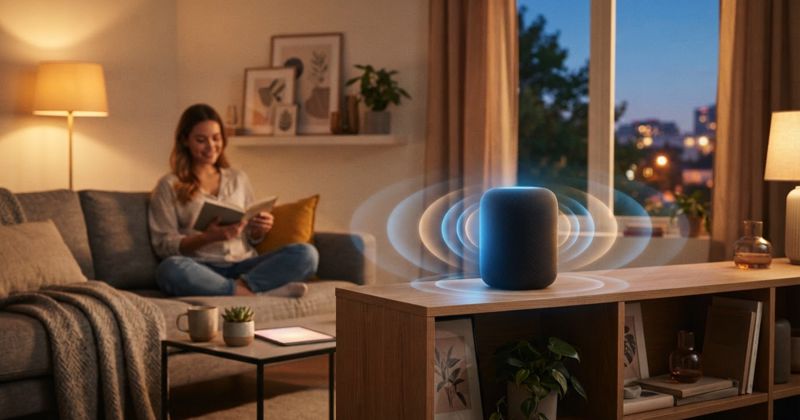
- 5. A smart speaker or display. Your control center and often a hub/Thread border router. Gives you voice control over everything and, on many models, lets low-power devices join your network.
- 6. A video doorbell. High daily value if you receive packages or want to see who is at the door, but check whether key features need a subscription before buying.
- 7. A smart lock. Genuinely convenient — keyless entry, guest codes, auto-lock — but a bigger commitment that needs attention to door fit, backup access, and security.
- 8. A smart thermostat. Real comfort and potential energy savings, but it depends on your heating/cooling system and is more involved to install, so it is a "phase two" purchase.
- 9. A robot vacuum. Delightful and time-saving, but a larger spend that is a luxury rather than a foundation. Buy it once the basics are working.
A sensible starter sequence
Resist buying everything at once. A practical path:
| Phase | Buy | Why |
|---|---|---|
| Start | A few smart plugs + bulbs | Learn the ecosystem, instant value |
| Add | Water-leak + motion sensors | Protection and real automations |
| Grow | A speaker/display hub | Voice control, possible Thread border router |
| Expand | Doorbell, lock, thermostat | Bigger features as confidence grows |
| Treat | Robot vacuum | A reward once the basics work |
Mistakes that waste a beginner's budget
Three traps catch newcomers: buying devices that do not match your ecosystem (so they refuse to cooperate), over-investing in cameras before sorting out subscriptions, and skipping the cheap sensors that make everything else useful. Spend on the boring foundation first, and the impressive stuff works better when you add it.
Bottom line
For most beginners in 2026, the best money goes to smart plugs, bulbs, and a couple of sensors — cheap, compatible, daily-useful devices that teach you the system and protect your home. Add a speaker or display as your hub, then grow into doorbells, locks, and thermostats as you learn what you actually want. Buy the foundation before the showpieces and your smart home will be the kind you keep using.