Best Smart Home Starter Kit in 2026: What to Buy First
A good smart home starts with one ecosystem and a few reliable devices, not a drawer of random gadgets. Here's a first-purchase roadmap by platform.
Table of contents
Most smart homes go wrong the same way: someone buys a clever gadget, then another from a different brand, and ends up juggling five apps that barely cooperate. A good smart home starts with one ecosystem, a few reliable devices, and clear use cases instead of random gadgets. This is the first-purchase roadmap, organized by platform, so your second device works as well as your first.
Step one: pick a platform before a product
Your platform (also called an ecosystem) is the hub-and-app layer that ties everything together. Choosing it first decides compatibility, privacy, and how much tinkering you are signing up for. The good news in 2026 is that Matter, the cross-brand standard from the Connectivity Standards Alliance, means most new devices work across platforms, so you are less locked in than you used to be. But your daily experience still lives inside one app, so pick the one that fits your phone and your patience.
Before any purchase, weigh four things the way a careful buyer should: compatibility (does it match my phone and existing gear?), subscriptions (what costs recur?), privacy (where does my data go?), and local control (does it keep working if the internet drops?).
Starter kits by platform
| Platform | Best for | Typical hub | Subscription | Privacy / control note |
|---|---|---|---|---|
| Apple Home | iPhone households, privacy | HomePod mini / Apple TV | Free (iCloud for cameras) | End-to-end encryption; strong local control |
| Google Home | Android users, voice | Nest Hub / Nest Mini | Free; Home Premium ~$10/mo | Best voice AI; cloud-leaning |
| Amazon Alexa | Widest device choice | Echo (Zigbee on 4th gen+) | Free; paid Alexa+ tier emerging | Huge catalog; mostly cloud |
| SmartThings | Mixed-brand homes | SmartThings hub | Free | Flexible; good Matter/Thread support |
| Home Assistant | Tinkerers, max privacy | HA Green / Yellow | Free; ~$6.50/mo optional cloud | Fully local; needs technical effort |
| Matter-first | Future-proofing, renters | Any Matter controller | Varies | Local control, cross-platform |
Figures on platforms above draw on Security.org's smart home testing, which notes Apple HomeKit's privacy-first, end-to-end-encrypted design, Google's voice strength with 50,000-plus compatible devices, and Alexa's enormous 400,000-plus device catalog with a built-in Zigbee hub on Echo 4th gen and later. Security.org also flags that Home Assistant Green supports thousands of integrations but "requires technical expertise."
If you have an iPhone: Apple Home
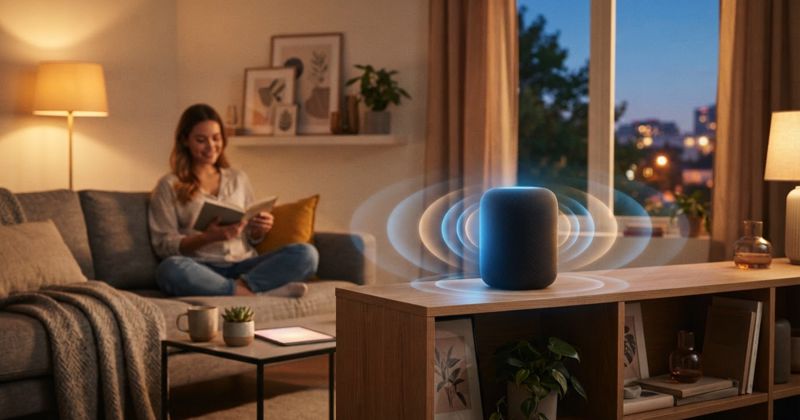
Start with a HomePod mini or Apple TV. It doubles as a Thread border router (useful later) and gives you Siri control. Apple's appeal is privacy: Security.org rates it best for privacy thanks to end-to-end encryption and a local-first design. The trade-off is a smaller device catalog and the need for Apple hardware.
If you live in Android/Google: Google Home
A Nest Hub or Nest Mini anchors a Google home and brings the strongest voice assistant. Base features are free; a Home Premium tier runs about $10/month if you want extended camera history. Expect more reliance on the cloud.
If you want the most choices: Alexa
An Echo (4th gen or later) includes a Zigbee hub, so it can talk directly to many sensors and bulbs without extra bridges. Alexa supports the widest range of devices. Amazon is introducing a paid Alexa+ tier, so watch which features become subscription-gated.
If you mix brands: SmartThings
Samsung's SmartThings hub is the diplomat. It handles Matter and Thread well (it gained Thread 1.4 credential sharing back in 2024) and suits homes with gear from many makers.
If you love control: Home Assistant
Home Assistant Green is open-source and fully local, with thousands of integrations, but it asks for real setup effort. Choose it if privacy and automation depth matter more than out-of-the-box simplicity.
What to actually buy first
Once the platform is set, buy in this order. Each step delivers an obvious daily win:
- A hub / smart speaker for your platform (the items above). This is the brain.
- Two smart plugs. Cheap, renter-friendly, instantly useful for lamps, coffee makers, and "is the iron off?" peace of mind.
- A few smart bulbs in the rooms you use most, for routines like wake-up and movie night.
- A contact or motion sensor. This turns lights and notifications into automations instead of manual taps.
- One marquee device you actually want, a smart lock, thermostat, or camera, chosen for a real use case.
For your first marquee device, a smart lock is one of the highest-satisfaction upgrades, especially a retrofit model renters can install without drilling. See our dedicated ranking:
Avoid these beginner traps
- Buying the gadget before the platform. It is how drawers fill with orphaned devices.
- Ignoring Matter over Thread. Thread devices need a border router; confirm you own one (many hubs above qualify).
- Overlooking subscriptions. A cheap camera with a pricey cloud plan can cost more over a year than a dearer no-fee model.
- Over-automating week one. Add automations after you live with the basics, not before.
Who should pick what
- Renters: Apple Home or Matter-first, with plugs, bulbs, and a retrofit lock you can take when you move.
- Families: Alexa or Google for shared voice control and the broadest device support.
- Privacy-focused buyers: Apple Home for simplicity, Home Assistant for maximum local control.
Bottom line
The best starter kit is not a box, it is a decision. Pick one platform that suits your phone, budget, and appetite for tinkering, then add a hub, a couple of plugs, some bulbs, a sensor, and one device you genuinely want. Get the foundation right and every future purchase gets easier.